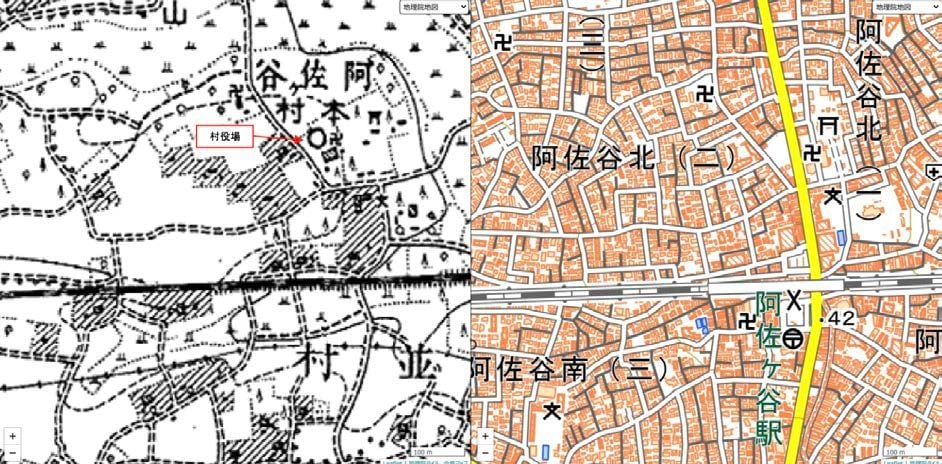
Located in the Asagaya North-East District of Tokyo, this programme explores the genius loci of the Old Alley, an overlooked remnant of the historic urban fabric shaped by everyday life and rapid change. Students will work on site to observe how micro-public behaviours emerge in spaces that are neither fully public nor fully private.
The workshop focuses on subtle shifts in behaviour – pausing, hesitating, interacting, avoiding, showing restraint – triggered not by formal rules, but by spatial conditions, atmosphere and social cues. Alongside spatial observation, students will gather local memories and oral accounts from residents, particularly older generations, to understand how narratives, shared recollections and everyday rituals shape the alley’s lived identity. Storytelling is used not as a form of creative writing, but as a lens through which to read behavioural change and sense the presence of place.
The seven-day workshop combines field observation, trial installations and community engagement, and coincides with the Shinmeigu Annual Festival. Days 1–2 focus on site observation and forming hypotheses about conditions that trigger or inhibit different behaviours. Days 3–5 involve small, temporary installations within the alley to test these ideas and record responses. Days 6–7 incooporate festival participation, documenting how everyday spatial use shifts during collective ritual moments. Outputs include behaviour logs, condition maps, photographs, sketches and installation records, shared as a foundation for future discussions on management, public use and consensus-building.
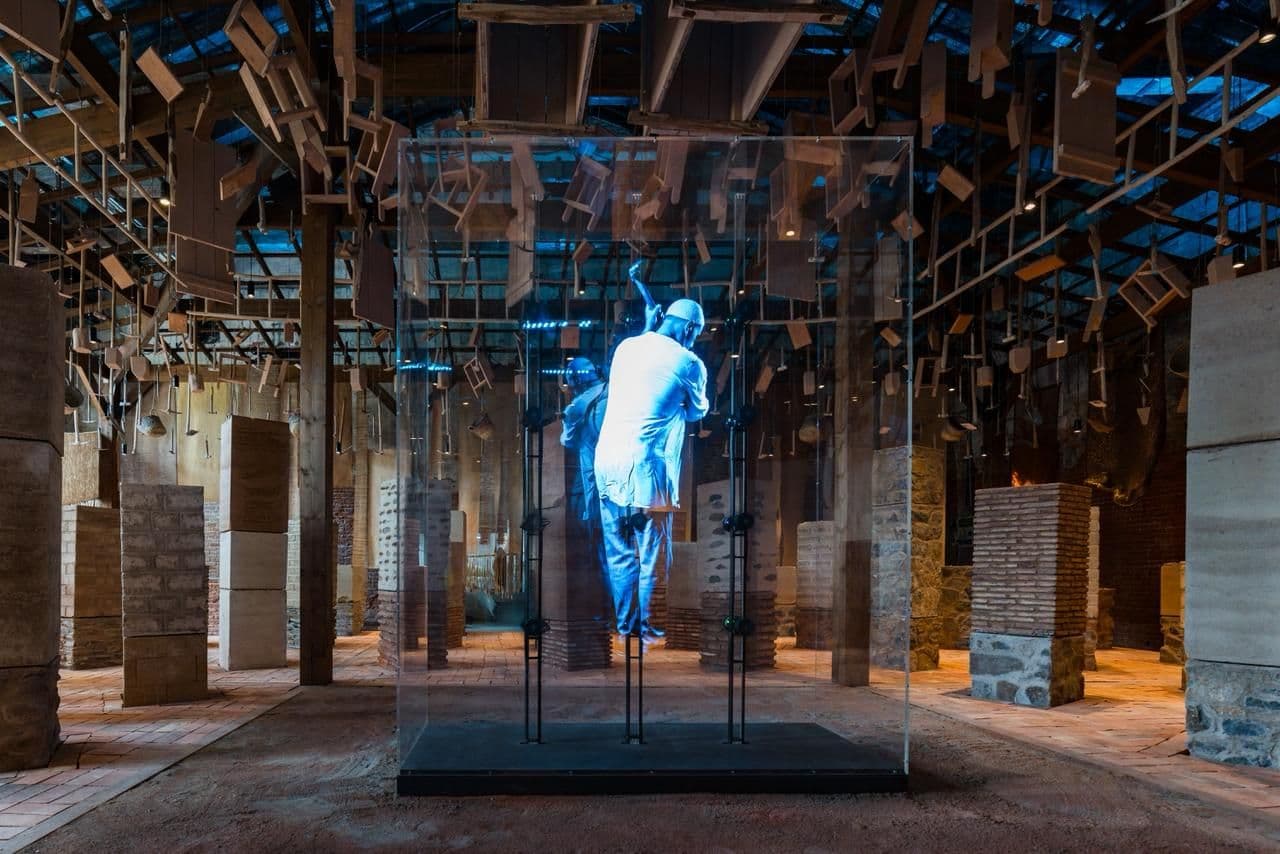 Grounds of Repair
 Asagaya, Reading History, Ritual, Everyday Human Habits and Behaviours in an Inner-City Slack Space
 Coastal Apparatus
 Carbon Ecologies
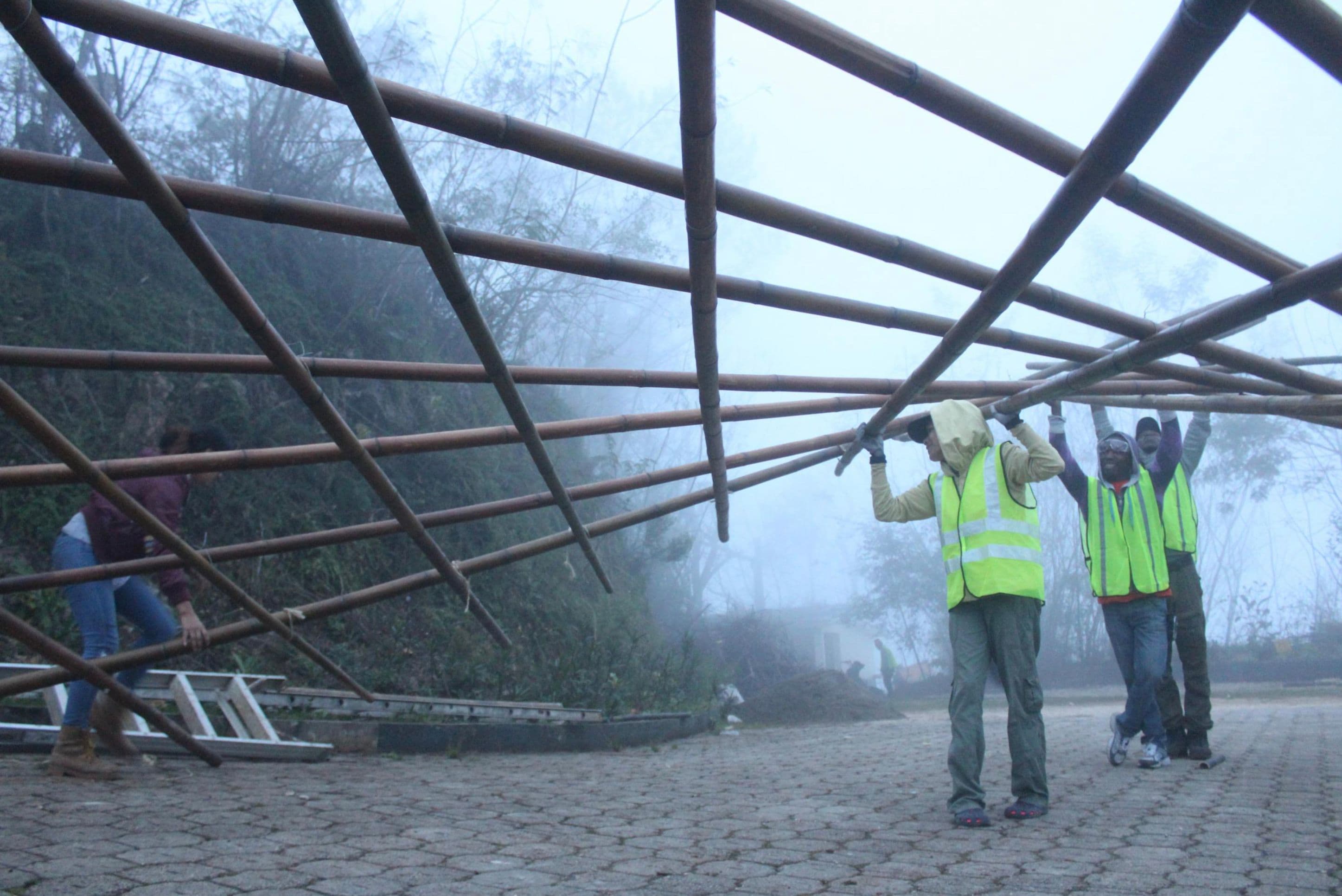 BambooLab India
 Hooke Park Build
 For the term of your natural life
 AA Spring Semester: Exchange Programme
 The Rite of Seasons: Spring Making Workshop
 Unreal Worlds