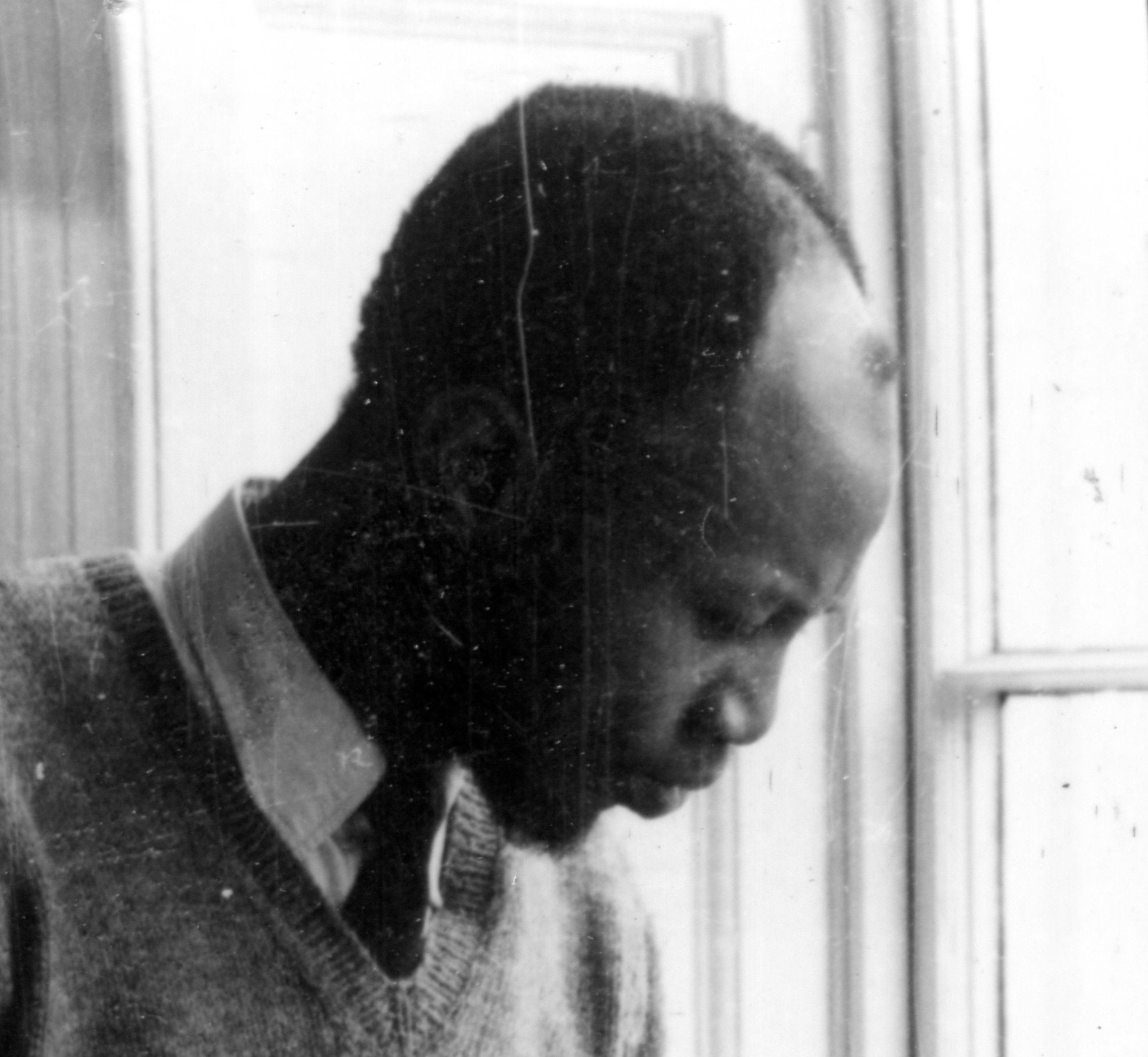
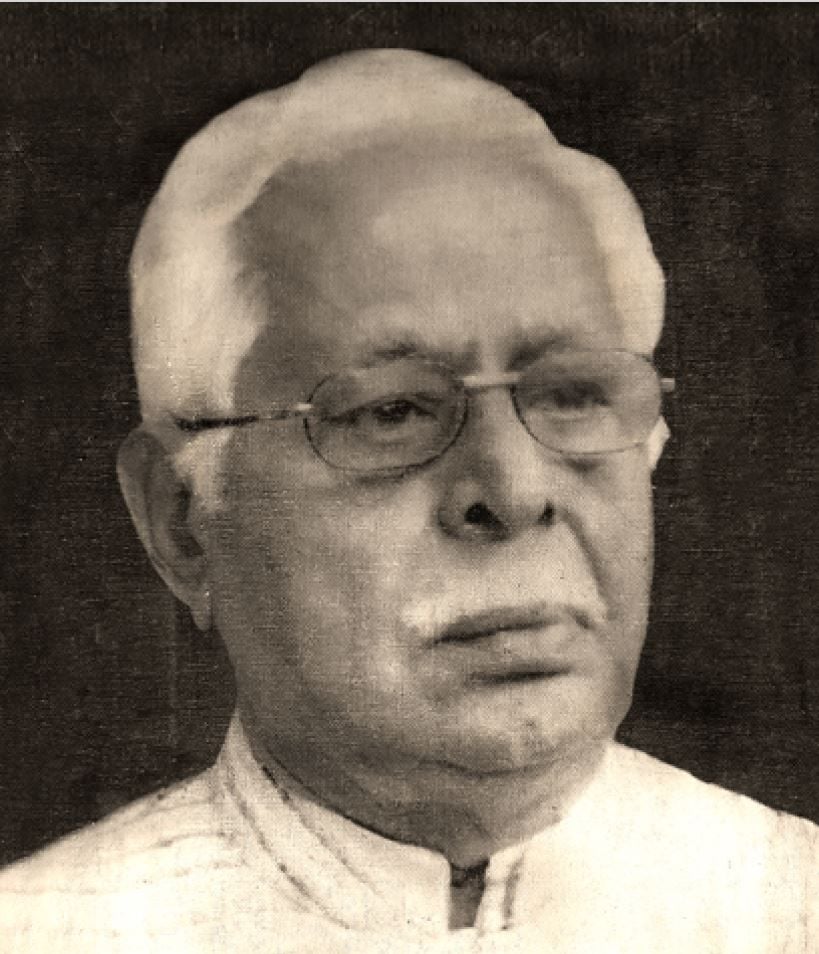
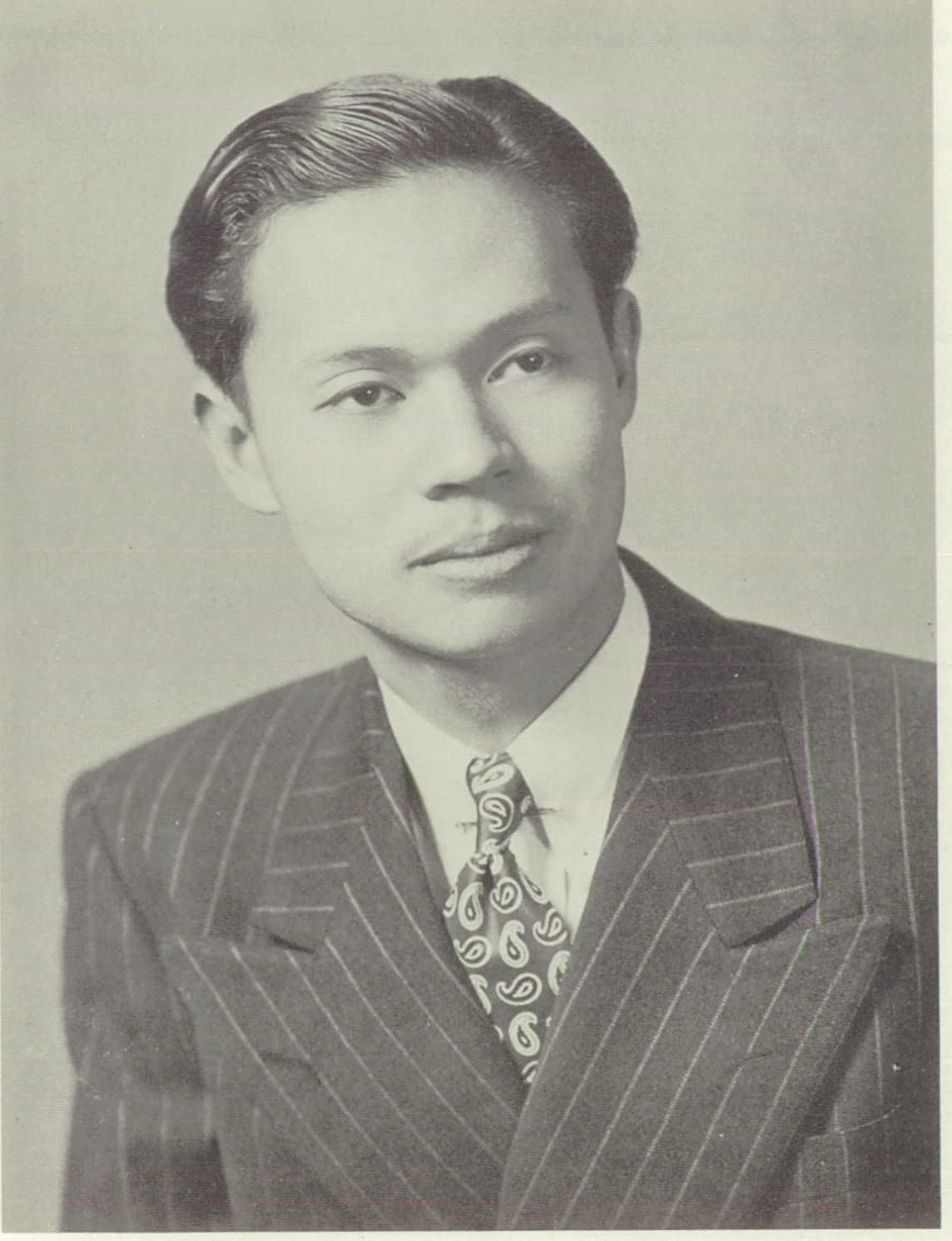
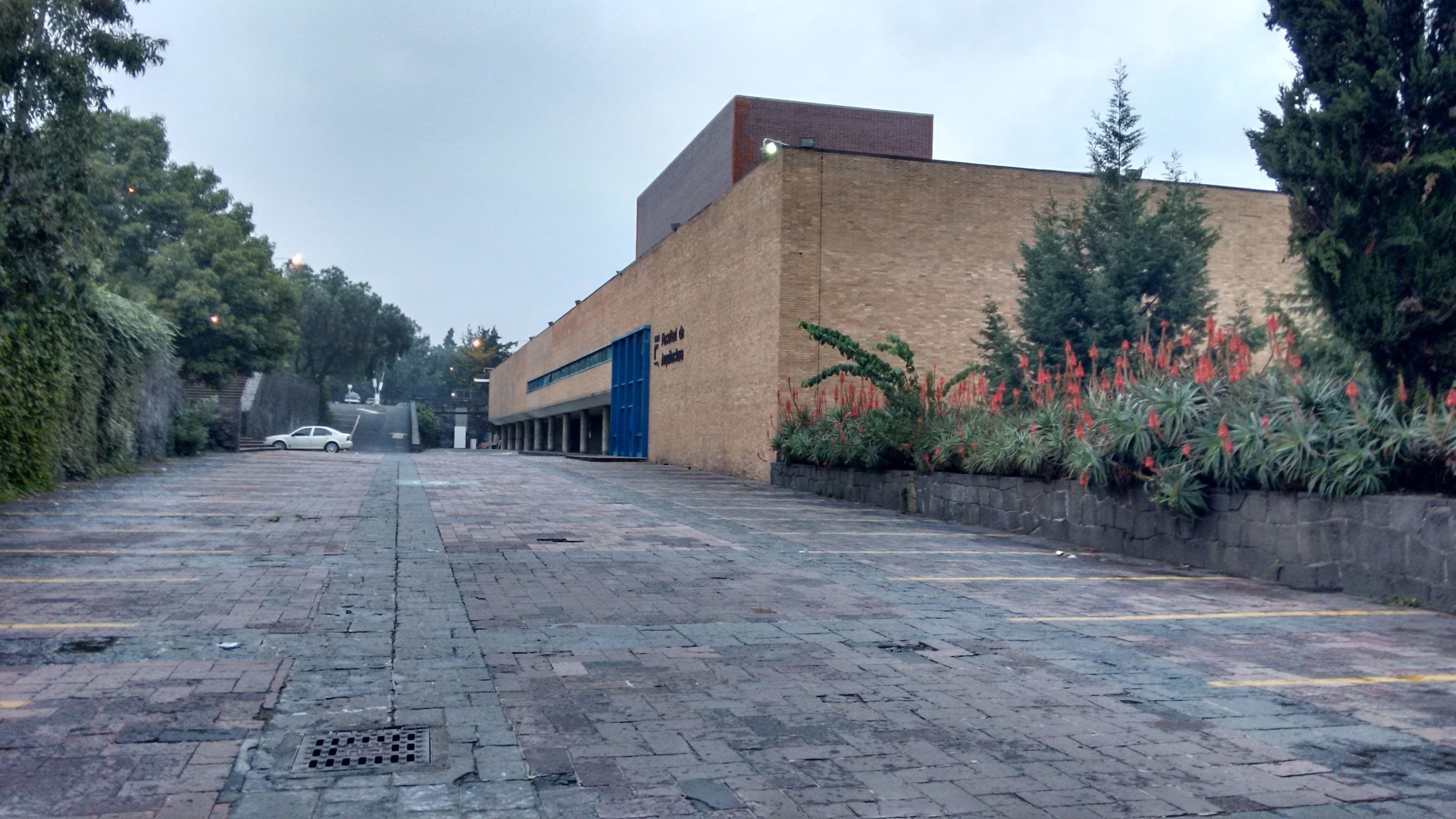
Sergio Puente Aguilar is a Mexican-born professor and researcher at the Centro de Estudios Demográficos Urbanos y Ambientales (Centre for Demographic, Urban, and Environmental Studies – CEDUA) at El Colegio de México. He graduated from the National Autonomous University of Mexico (UNAM) around 1968. According to the Student Register, Puente Aguilar joined the Architectural Association (AA) in London during 1970-71, where he enrolled in the postgraduate Department of Development and Tropical Studies. Following his graduation in 1971 with an AA Diploma in Development and Tropical Studies, Puente Aguilar was to undertake a PhD at the Université Paris 1 Panthéon-Sorbonne in Paris - his dissertation entitled ‘L'État et la politique urbaine au Mexique: le cas de la ville de Puebla.’ He has held visiting and invited professorships at institutions in France and the United Kingdom, including Paris-Sorbonne University (now Sorbonne University) and the Development Planning Unit (DPU) at University College London. Additionally, he was a visiting professor at the Institut national d’études démographiques (French Institute for Demographic Studies – INED) in Paris. By 1991 he appears to have held a position with the faculty at Universidad Autónoma Metropolitana, Xochimilco, Mexico City. Dr. Puente has also been involved in advisory and representative roles in several national and international organisations, including the International Geographical Union (IGU), the Earthquakes and Megacities Initiative (EMI), and the Sistema Nacional de Protección Civil (Mexican Civil Protection System – Sinaproc), where he served as President of the Scientific Advisory Committee. His research areas include disaster risk management and urban vulnerability, particularly in the context of Mexico. He has authored and co-authored various books and published articles in national and international journals. In February 2025, his scientific contributions to civic protection were recognised by the Centro Nacional De Prevención de Desastres (Mexican Centre for Disaster Prevention – Cenapred).
Sources
- Architectural Association Student Register 1945-1972, AA Archives
- Centro Nacional de Prevención de Desastres. ‘Trayectorias Destacadas en la Gestión Integral del Riesgo y la Protección Civil’. Gobierno de Mexico (gob.mx). Accessed 30 March 2025. http://www.gob.mx/cenapred/articulos/trayectorias-destacadas-en-la-gestion-integral-del-riesgo-y-la-proteccion-civil.
- ‘Puente Aguilar, Sergio - Centro de Estudios Demográficos, Urbanos y Ambientales’. Accessed 30 March 2025. https://cedua.colmex.mx/personal-academico/puente-aguilar-sergio/semblanza.